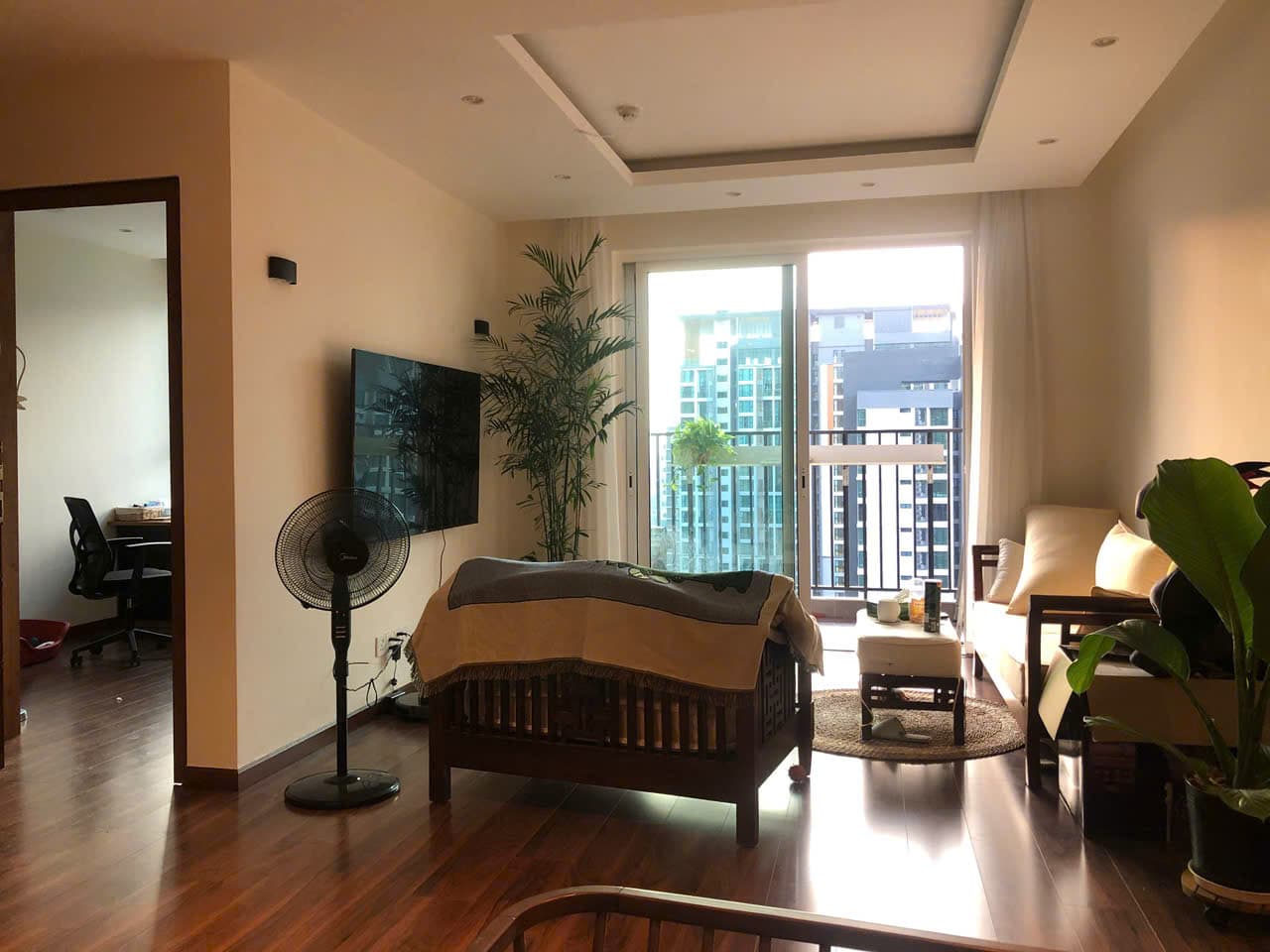
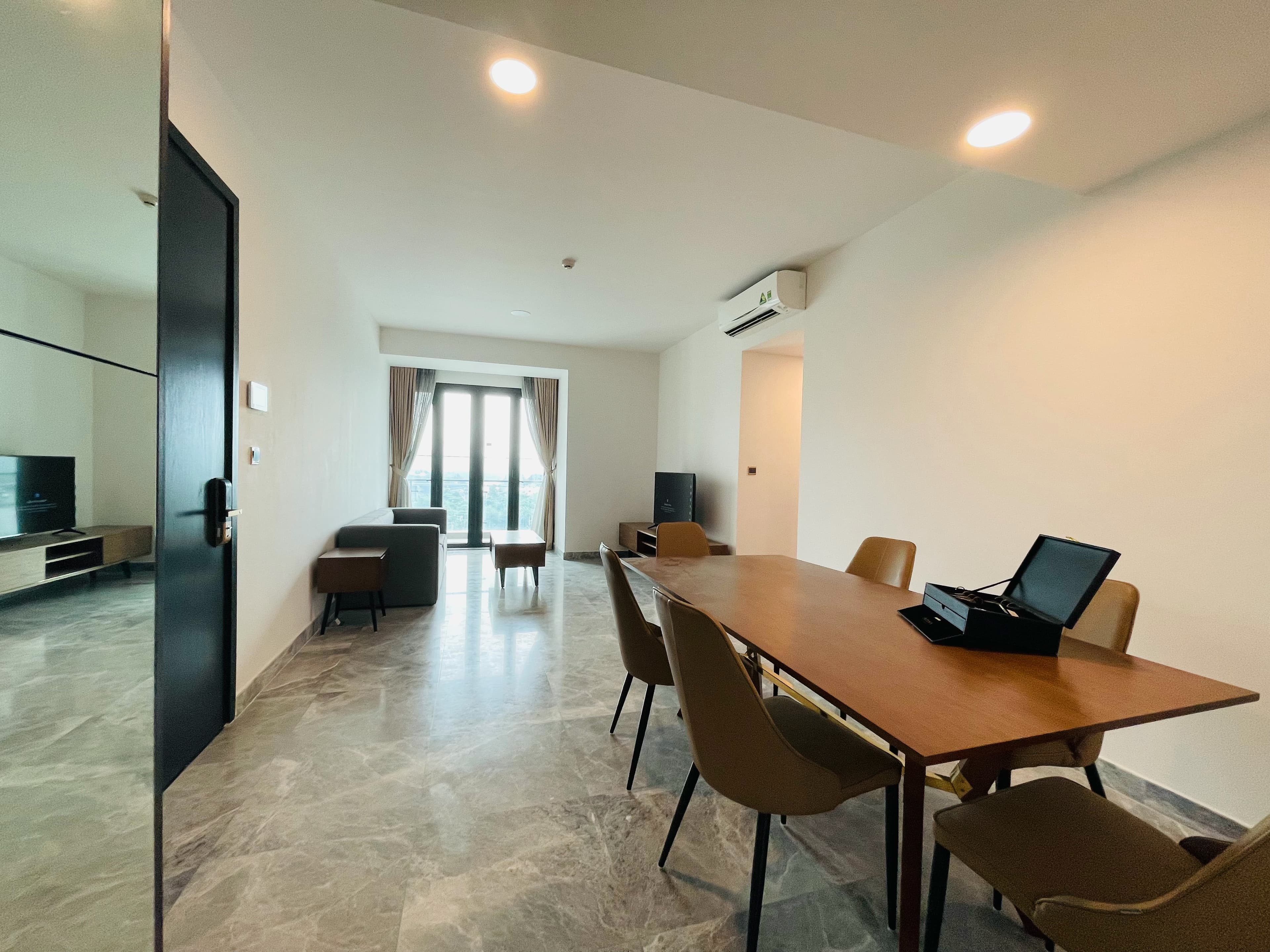
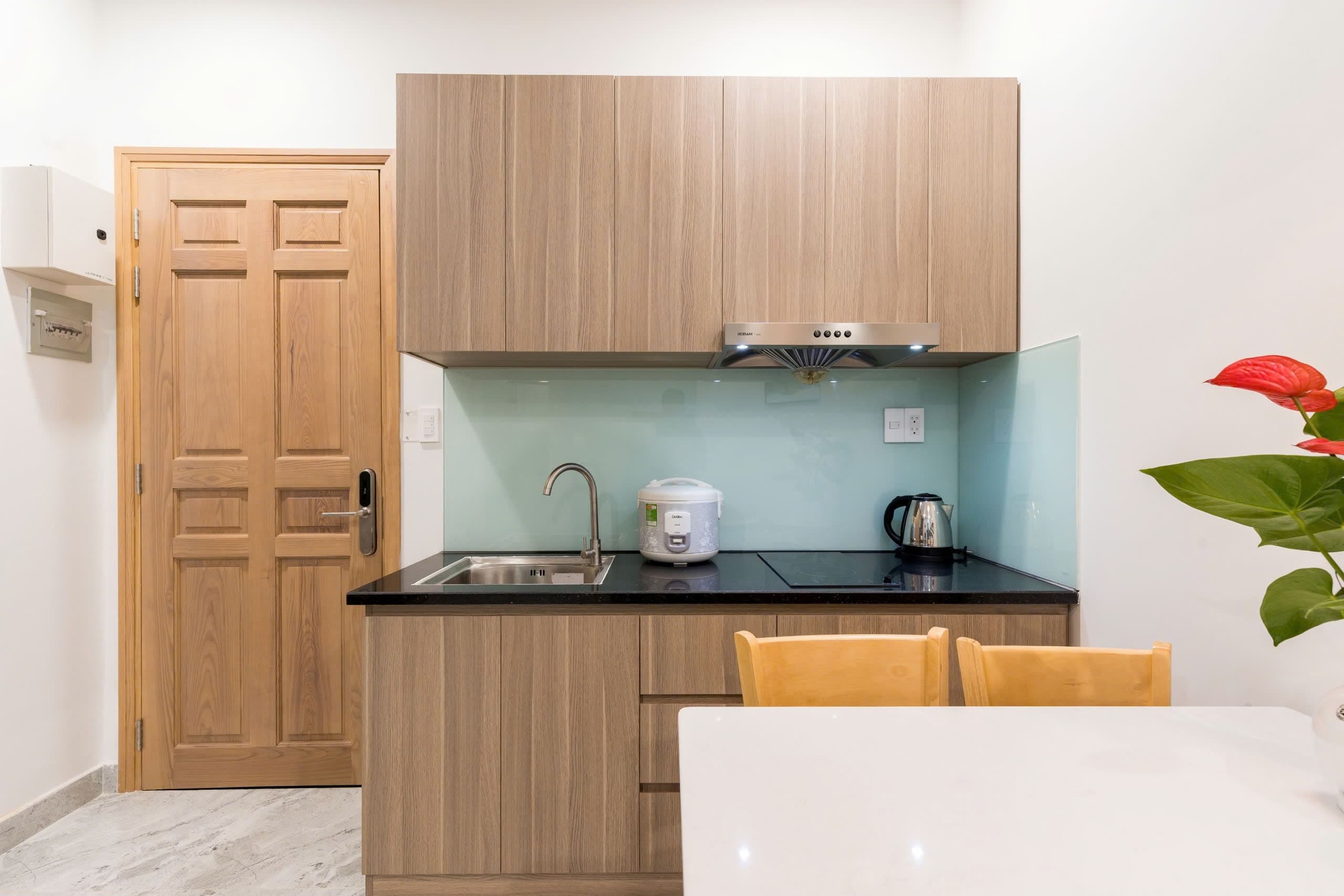
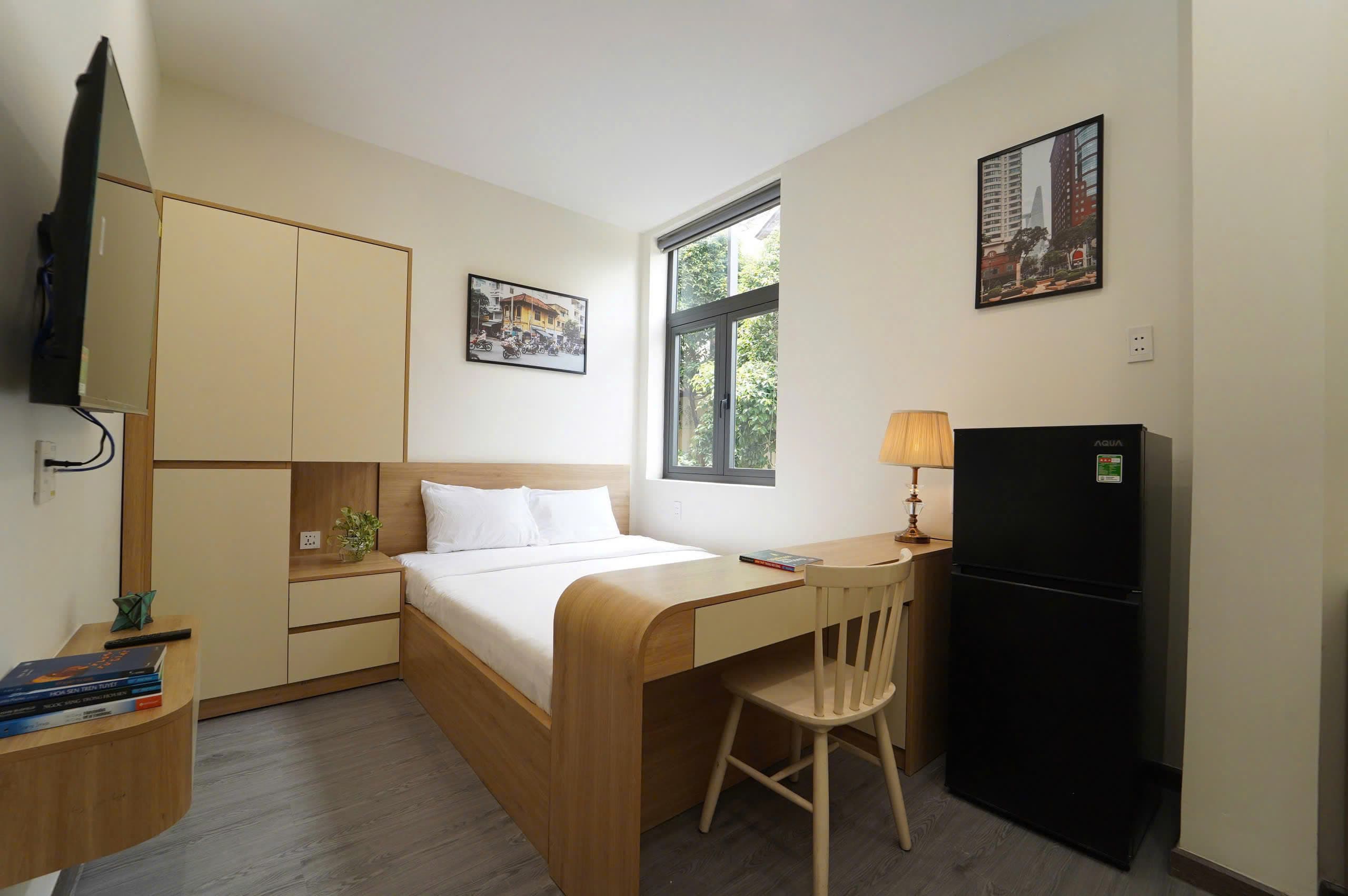
If you are moving to Ho Chi Minh City, one of the first decisions you will face is whether to take a serviced apartment or a standard monthly rental. They look similar in listing photos, but they are run very differently, priced differently, and suited to very different lengths of stay. Picking the wrong one usually means either paying for services you do not need, or signing a contract that locks you in longer than you wanted.
This guide breaks down what a serviced apartment actually is, how it compares to a regular apartment lease in Vietnam, where the cost difference comes from, and how to choose based on how long you plan to stay.
What is a serviced apartment?
A serviced apartment is a furnished unit run more like a hotel-apartment hybrid. The operator handles the things a landlord usually leaves to you: the place comes fully furnished and move-in ready, and the rent typically bundles housekeeping, linen and towel changes, building reception, and often utilities up to a cap. Many buildings add a gym, pool, or shared lounge. You unpack your suitcase and start living the same day.
A standard monthly rental is closer to renting an empty (or lightly furnished) apartment from a private owner. You sign a longer lease, pay utilities directly to the provider or building, arrange your own internet and cleaning, and handle small maintenance yourself or coordinate it with the owner. It takes more effort to set up, but you control the costs.
So in the serviced apartment vs apartment Vietnam comparison, the real difference is not the room itself. It is who absorbs the operating work and how that gets billed.
What's included: side by side
The cleanest way to compare is to ask, for each item, "is this bundled or do I arrange it myself?"
| Item | Serviced apartment | Standard monthly rental |
|---|---|---|
| Furniture & appliances | Included, move-in ready | Varies — furnished, semi, or bare |
| Housekeeping / linen | Usually included (set schedule) | You arrange and pay separately |
| Utilities (elec/water) | Often bundled, sometimes capped | Billed to you, metered |
| Internet & cable | Usually included | You set up the account |
| Maintenance & repairs | Operator handles | Coordinate with owner |
| Reception / security | Common | Building-dependent |
| Minimum stay | Flexible, shorter accepted | Longer commitment typical |
Note the word "varies" on utilities — even in serviced buildings, electricity above a monthly cap is often charged at the meter, and aircon use in HCMC heat adds up fast. Always confirm exactly what the bundle covers and where it stops before you sign.
Where the cost difference comes from
People assume serviced apartments are simply "more expensive," but it is more useful to think of it as bundled vs unbundled. A serviced rate folds in furniture, cleaning, internet, management, and often part of your utilities. A standard lease shows a lower headline rent, then you add furnishing or a furnished premium, your own internet, cleaning, and full metered utilities on top.
When you compare the serviced apartment Vietnam cost against a standard lease, do the math on the all-in monthly figure, not the sticker rent. For a short stay the serviced bundle is frequently cheaper once you account for not having to furnish a place or set up accounts. For a long stay, the unbundled lease usually wins because you spread one-time setup costs over many months.
Two more cost factors to ask about directly:
- Deposit. Serviced apartments tend to ask for a smaller deposit; standard leases usually expect a larger one. Exact amounts vary by building and length — ask, do not assume.
- Contract length & early exit. Standard leases penalize leaving early; serviced terms are more forgiving. If your plans are uncertain, that flexibility has real value.
Contracts and paperwork
Both types require a contract and a copy of your passport, and the unit should be registered for temporary residence with the local authorities — the operator or owner normally handles this in serviced buildings, while in a private lease you may need to make sure it actually gets done.
Standard leases are longer, more detailed about deposit conditions, notice periods, and who pays for what, and they reward negotiation — rent, deposit, and included items are often flexible. Serviced contracts are shorter and more standardized; there is less to negotiate but also fewer surprises. Whichever you choose, get the included items, the utility cap, the deposit-return conditions, and the notice period written into the contract, not just promised verbally.
Which to pick: short vs long stay
Use length of stay as your primary filter in the monthly rental vs serviced apartment decision.
- Short stay or uncertain plans (a few weeks to a few months, scouting trips, project assignments): a serviced apartment almost always wins. Move-in ready, flexible exit, one predictable bill, no furniture to buy or sell later.
- Long stay or settling in (most of a year or more, a family relocation): a standard monthly rental usually wins on total cost and gives you more space and control, as long as you are willing to handle setup.
- In between, or testing a neighborhood first: many people start in a serviced apartment, learn which district fits — central District 1, the expat-favorite Thao Dien in District 2, or family-friendly Phu My Hung in District 7 — then move to a standard lease once they are sure.
To explore options, start from the Ho Chi Minh City hub or browse monthly rentals directly. If you specifically want bundled, move-in-ready units, look at serviced apartments and furnished listings; for longer commitments see the lease and apartments pages.
Frequently Asked Questions
Q. Is a serviced apartment always more expensive than a normal rental?
Not necessarily. The headline rate is higher because it bundles furniture, cleaning, internet, and often utilities. For short stays the all-in cost can be lower than a standard lease once you factor in furnishing and setup. For long stays a standard lease is usually cheaper overall. Always compare the total monthly figure, not the sticker rent.
Q. Are utilities really included in a serviced apartment?
Often, but frequently up to a cap. Heavy aircon use in HCMC can push you over the included amount, with the excess billed at the meter. Ask the operator exactly what is covered and where the cap is before signing.
Q. Which is better for a short stay?
A serviced apartment, in most cases. It is move-in ready, accepts shorter terms, has a more forgiving exit, and gives you one predictable bill instead of several accounts to set up and close.
Q. Do I need a passport and any registration for either option?
Yes. Both require a contract and a copy of your passport, and your stay should be registered for temporary residence locally. Serviced buildings usually handle the registration; with a private lease, confirm it actually gets done.
Q. Can I negotiate the price?
Standard leases leave more room to negotiate rent, deposit, and included items. Serviced apartments are more standardized with less flexibility, though longer bookings can sometimes earn a better rate. Amounts vary by building, so ask directly.
Q. What should I confirm before signing?
Get the included items, any utility cap, the deposit amount and return conditions, the contract length, and the notice period in writing. Verbal promises are hard to enforce later.
Talk to us before you sign
Choosing between a serviced apartment and a standard monthly rental comes down to your timeline and how much setup you want to handle — and the all-in numbers vary by building and district. If you tell us your stay length, budget, and preferred area, we can shortlist the right type of unit and walk you through the contract terms in your language. Reach out for a free consultation and we will line up viewings that match how you actually want to live in Ho Chi Minh City.