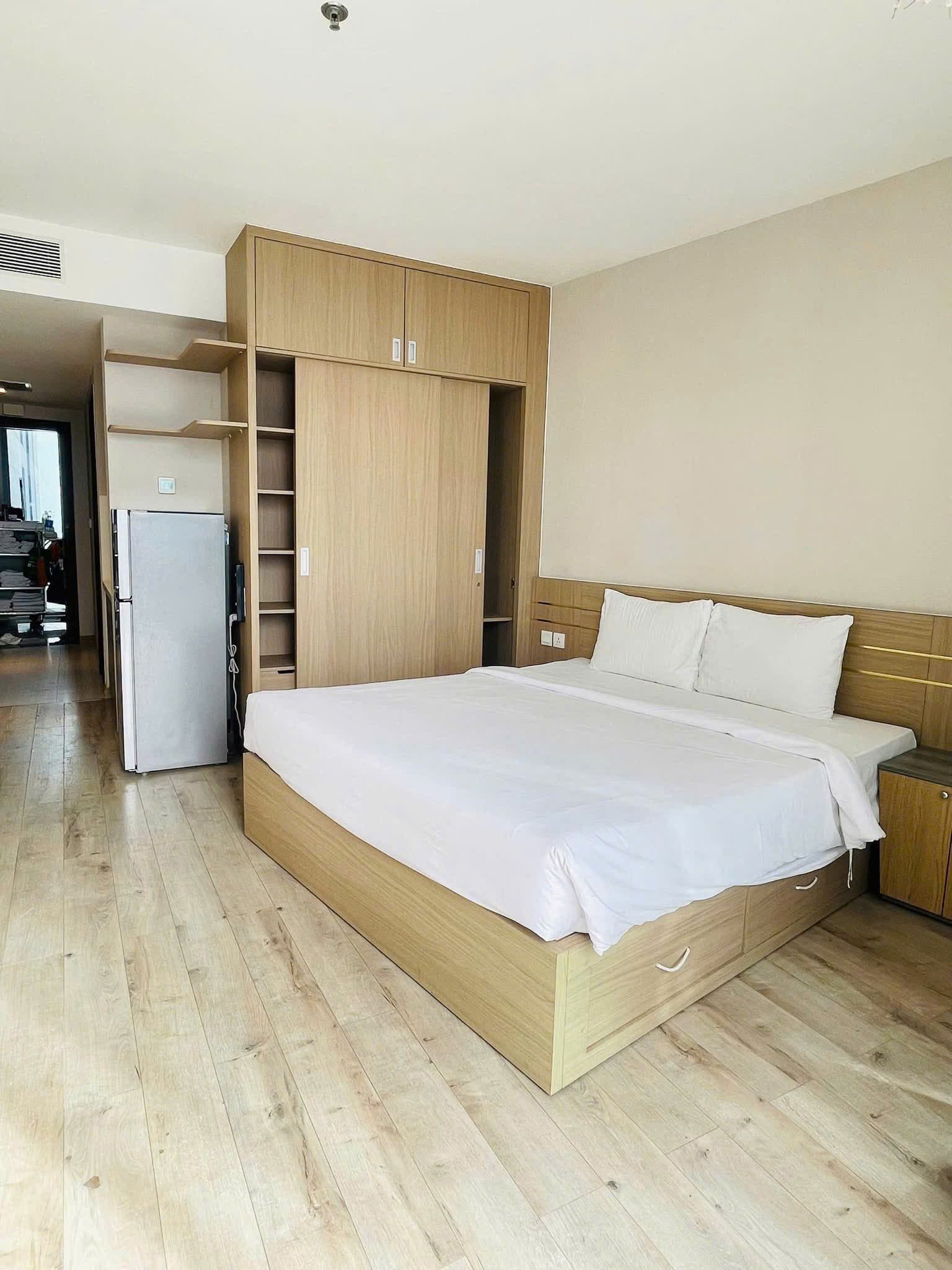
If you are weighing a move to the coast, the first question is almost always the same: what does it actually cost to live here? The honest answer is that the Nha Trang cost of living depends far more on your choices than on the city itself. Two foreigners on the same street can spend wildly different amounts depending on the area they pick, the size and finish of their apartment, and how they handle utilities and deposits.
This guide walks through the cost structure of living in Nha Trang so you can build a realistic monthly budget — without us inventing numbers we can't stand behind. Real figures move with the season, the building, and the exact unit, so wherever a price matters we'll tell you what drives it and what to ask, rather than quote a made-up rate.
How rent varies across Nha Trang
The biggest single line in any Nha Trang expat budget is Nha Trang rent, and location is the main lever. As a rule of thumb, the closer you are to the beach and the central tourist strip, the more you pay for the same square meters — you're buying the walk to the sand and the restaurants, not extra space.
A few patterns hold across the city:
- Beachfront and central units command the highest rents and the most short-term competition, which can also push prices up in peak season.
- Inland and newer development areas generally stretch your money further, often with more modern buildings and parking, at the cost of a longer trip to the water.
- Established residential neighborhoods sit in between — local prices, local amenities, and a calmer feel.
To compare like for like, browse by area rather than by a single city-wide average:
- Central Nha Trang & Tran Phu for beachfront and tourist-strip living
- Vinh Diem Trung / VCN for newer apartment developments
- Phuoc Hai & Ha Quang and North Nha Trang for quieter residential options
Featured listings in Nha Trang
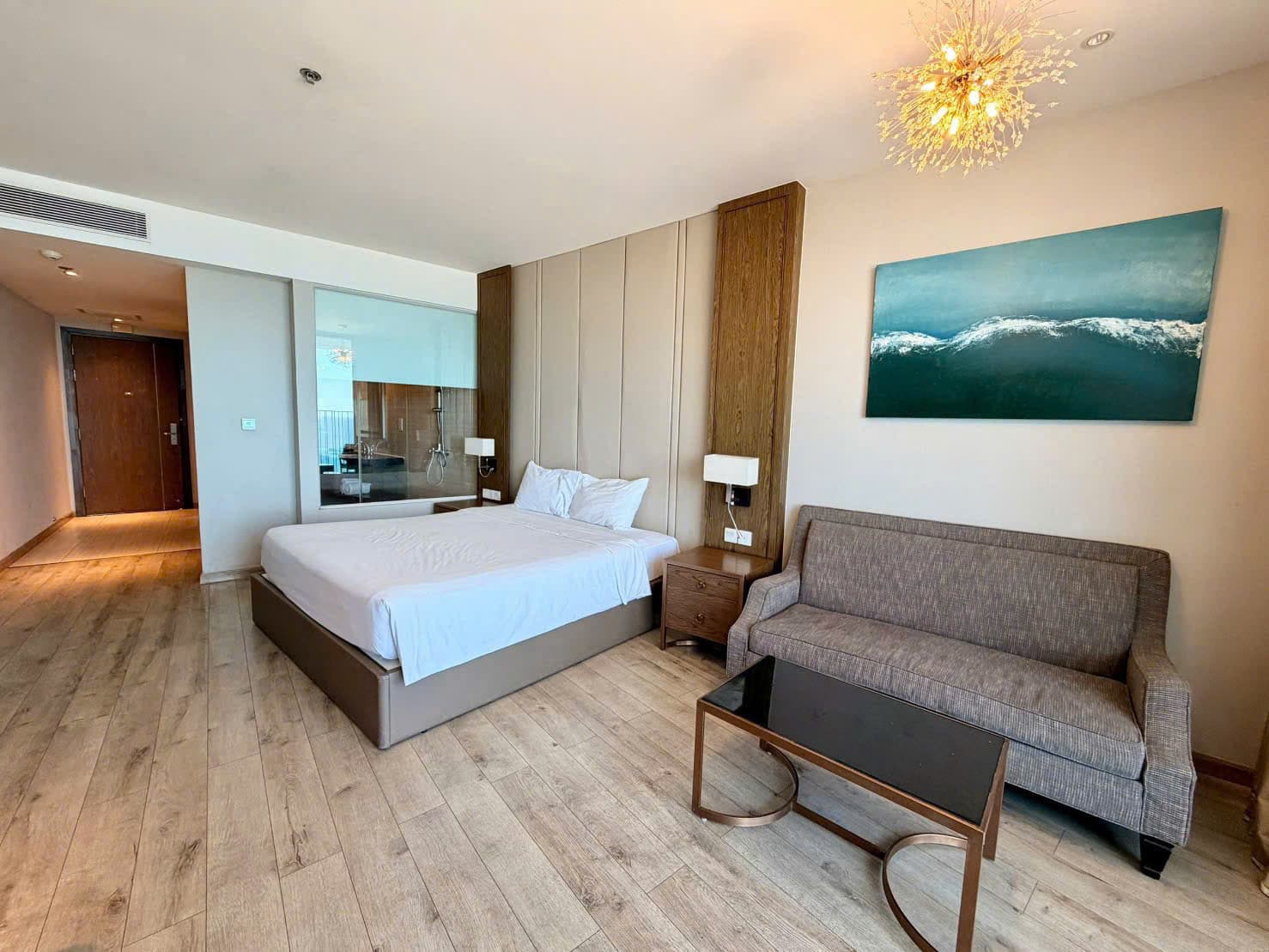 VerifiedAvailable
Studio · Min. lease 1 months
Studio at Panorama Apartment on Tran Phu street. Sea view with balcony, fully furnished with kitchen. Free pool and gym access, weekly cleaning included. Available now.
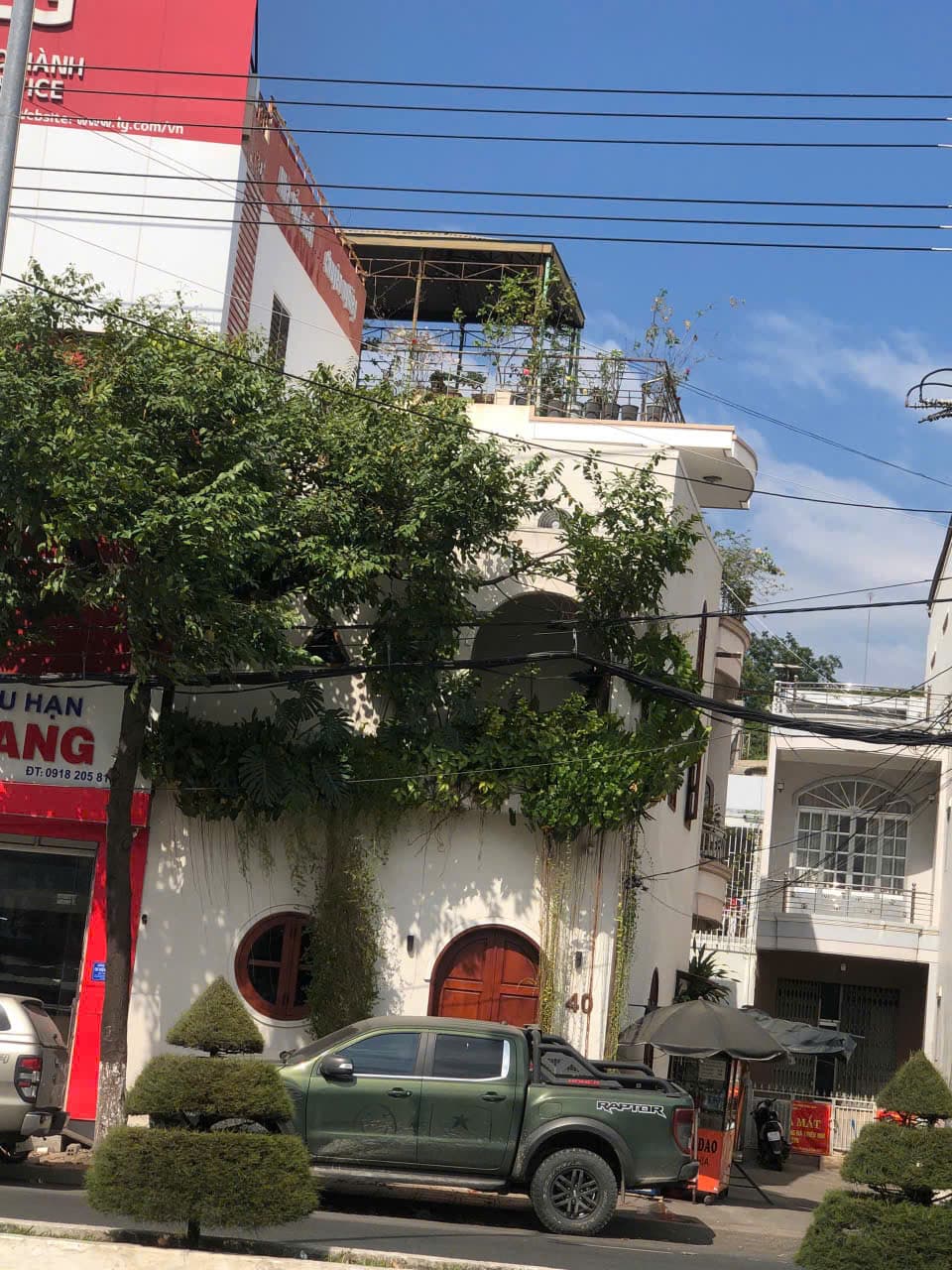 VerifiedAvailable
3-bedroom house on Road 23/10, near Long Son Pagoda. $1,026/month, 1-month minimum stay.
What drives the price of an apartment
When you ask about a Nha Trang apartment price, you're really asking about a bundle. The same one-bedroom can be priced very differently depending on:
- Furnishing — a fully furnished unit costs more than a bare one, but saves you the upfront cost of beds, appliances, and a kitchen. Compare furnished listings against unfurnished ones before you decide.
- Floor and view — higher floors and sea views carry a premium.
- Building type — a serviced building with a pool, gym, and reception sits above a standalone mini-apartment. See serviced apartments if you want hotel-style convenience.
- Lease length — longer commitments are usually negotiated differently than month-to-month stays.
If you're undecided on size, our studios and apartments pages let you filter by what fits your budget rather than guessing.
Utilities: what's included and what isn't
Rent is rarely the whole story. In Vietnam, electricity is typically the most variable monthly cost because air conditioning runs hard in the heat — your bill swings with how much you cool your home. Water is usually modest by comparison. Many buildings also charge a separate management fee that covers things like security, elevators, and common areas.
The key question to settle before you sign is simple: which of these are inside the rent, and which are billed on top? Ask specifically about the electricity rate, whether water and management are bundled, and whether internet is set up or your responsibility. Don't assume — confirm each one, because the headline rent can look cheaper than the all-in monthly cost.
Deposit norms and the contract
Expect to pay a deposit at signing — this is standard practice, though the exact amount and number of months held vary by landlord and lease length. Bring your passport, since identification is needed to register the tenancy. Before you commit, clarify in writing: the deposit amount, the conditions for getting it back, the contract length, the move-in date, and exactly what utilities and fees fall on you.
Because these terms genuinely differ between properties, treat any single "standard" you hear secondhand with caution and verify it for the specific unit.
Building your monthly budget
A realistic budget for living in Nha Trang isn't just rent. Add up the pieces:
- Rent for your chosen area and apartment type
- Electricity (your largest variable), water, and any management fee
- Internet, if not included
- Food, transport, and personal spending, which scale with your lifestyle
The smartest move is to total the all-in housing cost first — rent plus utilities plus fees — before layering on daily living. That single number is what really defines your Nha Trang expat budget, and it's the figure worth nailing down per property rather than estimating from averages.
Start from the Nha Trang hub or jump straight to monthly rentals to see what's available in your range.
Frequently Asked Questions
Q. How much does it cost to live in Nha Trang as a foreigner?
It depends heavily on your area, apartment, and habits. The most useful number is your all-in housing cost — rent plus electricity, water, and any management fee — which you should confirm per property rather than rely on a city-wide average.
Q. What makes Nha Trang rent go up or down?
Mainly location and the apartment itself: beachfront and central units cost more, while inland and newer developments stretch your budget further. Furnishing, floor, view, building amenities, and lease length all move the price too.
Q. Are utilities included in the rent?
Sometimes, sometimes not. Electricity is usually the biggest variable cost because of air conditioning. Always ask which of electricity, water, management fee, and internet are inside the rent and which are billed separately before you sign.
Q. How much deposit will I need?
A deposit at signing is standard, but the amount and number of months held vary by landlord and lease length. Confirm the exact figure and the refund conditions in writing for your specific unit.
Q. What documents do I need to rent in Nha Trang?
At minimum your passport, which is needed to register the tenancy. Clarify the contract length, move-in date, deposit terms, and utility responsibilities before committing.
Q. Which Nha Trang area is best value?
There's no single answer — central areas cost more for the location, while inland and newer developments often give you more space and modern buildings for the money. Compare by area to find the trade-off that fits you.
Still not sure what your real monthly cost would be? Tell us your budget, preferred area, and move-in date, and we'll line up matching apartments with the utilities, deposit, and contract terms confirmed up front — including Korean-language support if you'd like it. Talk to a BE-JIB consultant and we'll do the comparing for you.