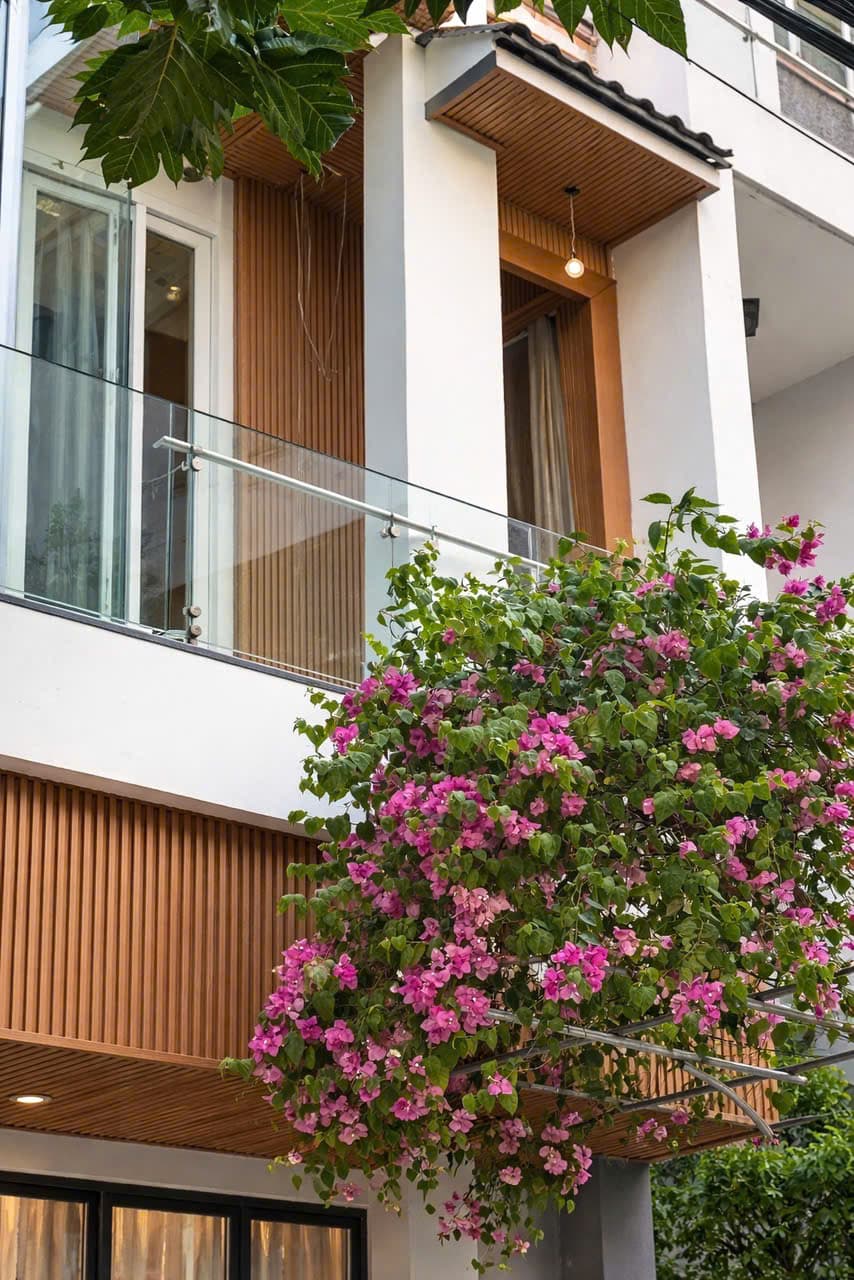
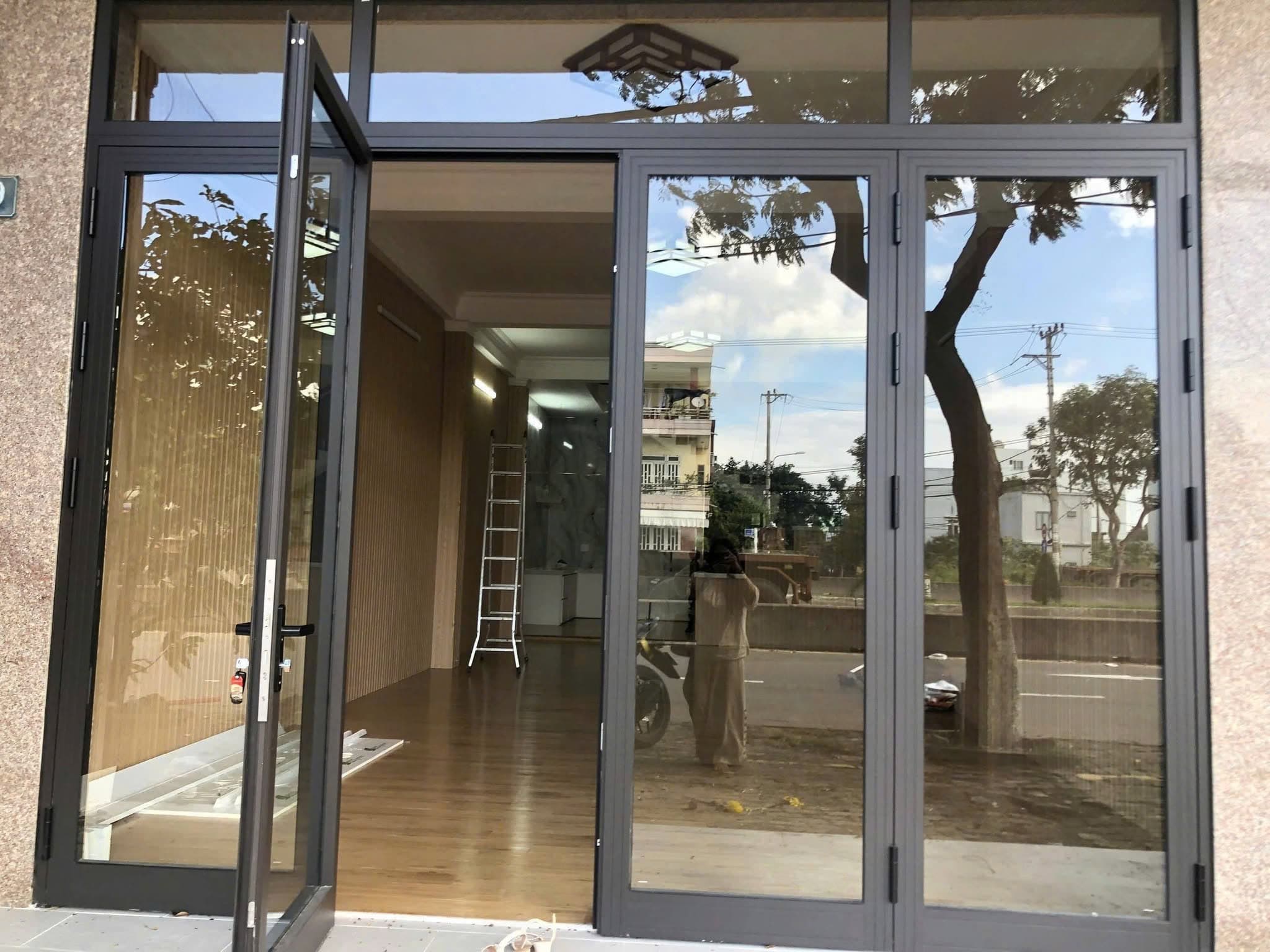
Da Nang has quietly become one of Vietnam's most popular bases for foreigners — beach on one side, mountains on the other, a real airport, and a pace that's calmer than Ho Chi Minh City or Hanoi. If you're weighing a move, the first question is always the same: what does it actually cost to live here?
This guide breaks down the real structure of a monthly budget for an expat in Da Nang in 2026 — rent, utilities, food, transport, and visa — without pretending to quote prices that change street by street. Use it to understand how each cost works so you can build your own realistic number.
How rent works in Da Nang
Rent is almost always your single largest line item, and it varies enormously by area, building age, furnishing, and how long you commit. A few structural points worth knowing before you start viewing:
- Furnished vs. unfurnished. Most expat-oriented apartments come furnished. Long-term local units may not — factor in the one-off cost of beds, a fridge, and a washing machine if you go that route.
- Deposit and contract. Expect to leave a security deposit (commonly one to a few months' rent — confirm per listing) and to sign a contract measured in months. Bring your passport; landlords need it for the tenancy and for your local police registration.
- What's included. Some buildings fold management fees, water, or even internet into the monthly figure; others bill everything separately. Always ask what the headline number does and doesn't cover.
- Negotiation. Longer commitments and paying a few months upfront usually unlock a better monthly rate. This is normal and expected.
For an idea of how prices move by neighbourhood and unit type, browse current listings and compare directly rather than relying on a single "average."
Featured listings in Da Nang
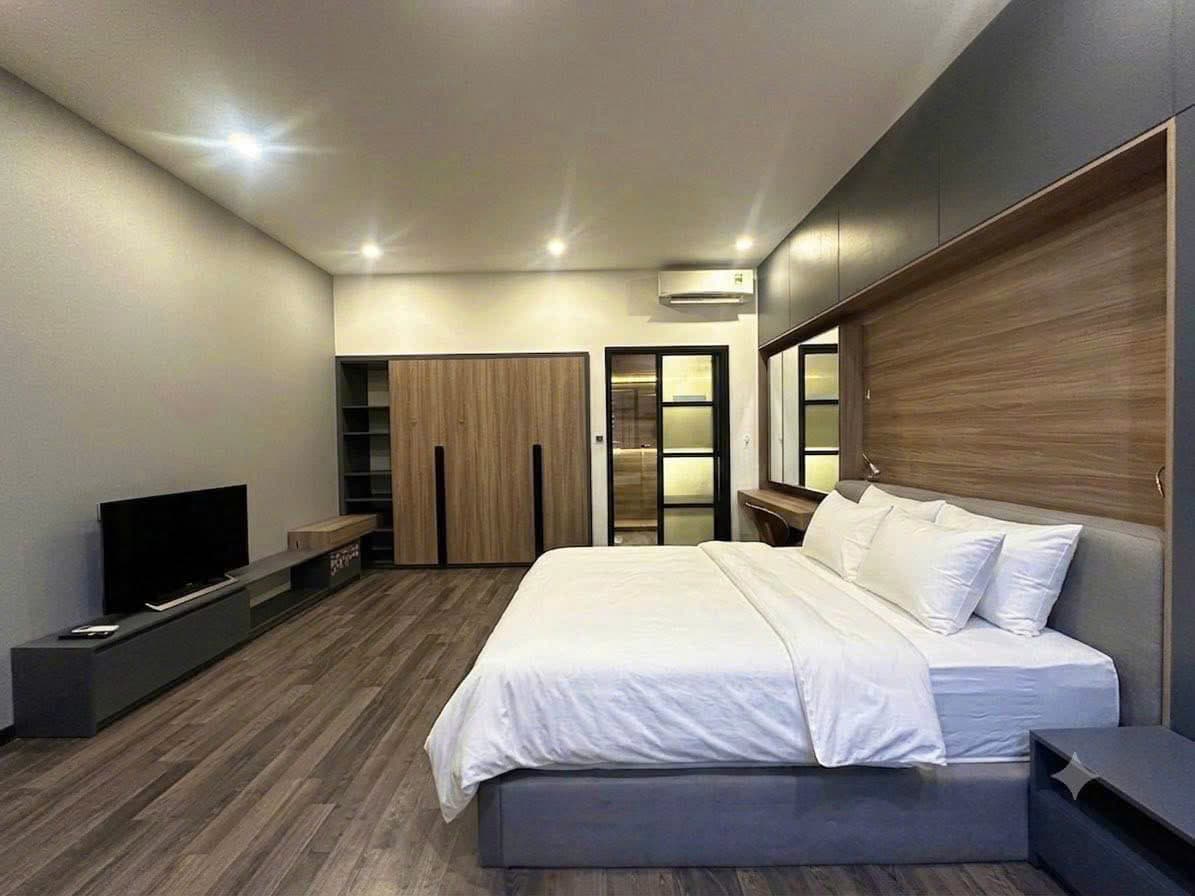 VerifiedAvailable
3BR · 100㎡
4-storey standalone house on Nguyen Xuan On road in Hoa Cuong, Hai Chau, Da Nang. 100 sqm, 3 bedrooms, 4 bathrooms, fully furnished. Private car garage, pets allowed, foreigner-friendly lease.
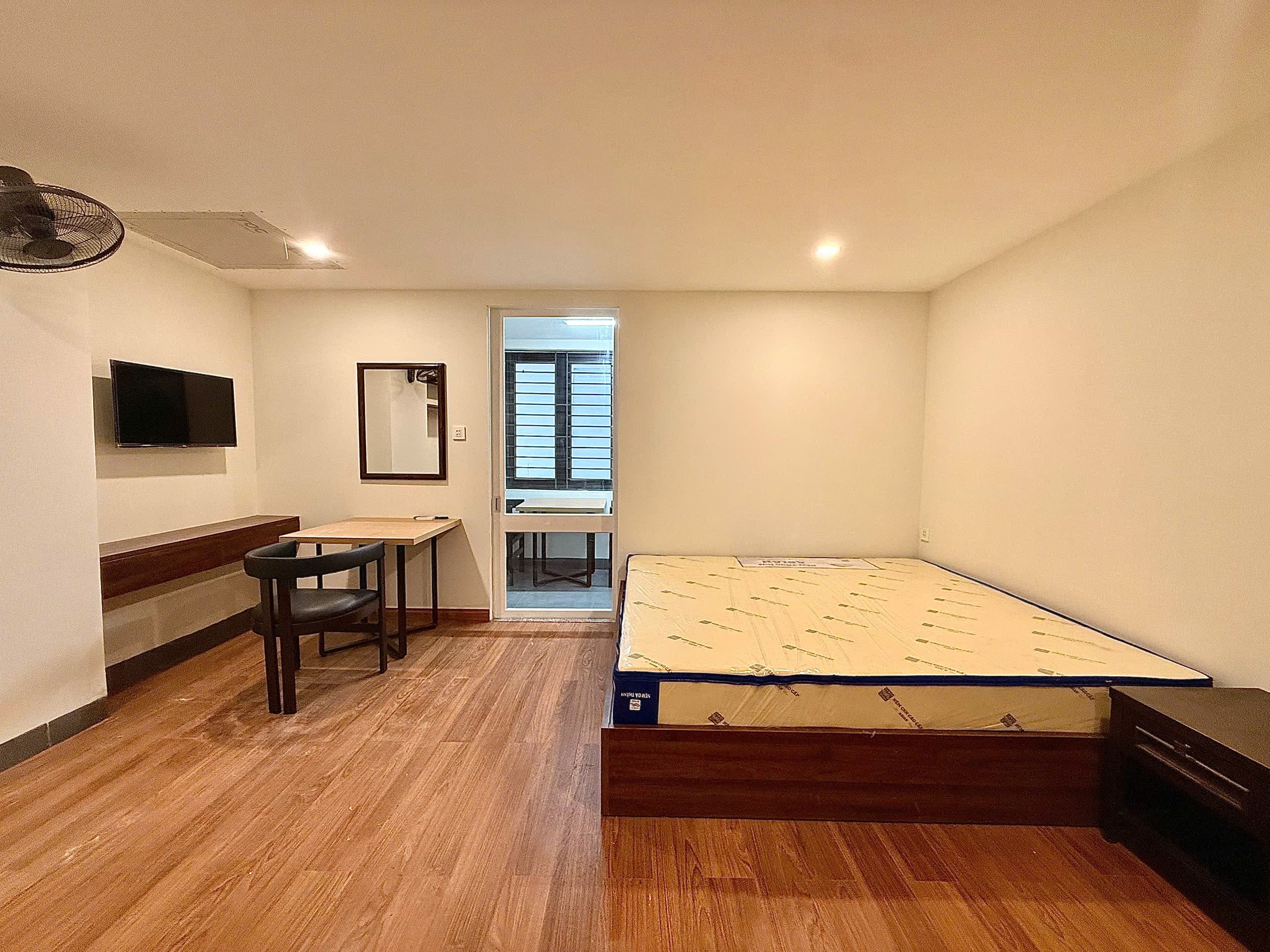 VerifiedAvailable
Quiet and private 1-bedroom apartment at 40 Nguyen Lu, Ngu Hanh Son, Da Nang. Monthly rent: $285.
Choosing your neighbourhood
Where you live changes both your rent and your daily costs. The main expat zones each have a different feel:
- My Khe — the classic beachfront strip. Walk-to-sand living, cafes everywhere, the most international.
- An Thuong / Ngu Hanh Son — the "expat village" just behind My Khe beach, dense with western food, bars, and serviced studios.
- Hai Chau — the central business and riverside district; more local, more convenient for the city centre.
- Thanh Khe and Cam Le / Hoa Son — quieter, more residential, generally easier on the budget the further you sit from the beach.
A simple rule: the closer to My Khe beach and An Thuong, the higher the rent and the more you'll spend eating out. Move inland and your money stretches further.
Browse everything in one place on the Da Nang rentals hub, or narrow by format with serviced apartments, studios, apartments, furnished units, or monthly-stay options. For longer commitments see lease listings, and if you're after a house with outdoor space, Da Nang also has villas.
Utilities and the bills behind the rent
Beyond rent, your recurring monthly bills typically include:
- Electricity — the big variable. Air conditioning in Da Nang's hot months is the main driver, so a heavy-AC household will pay noticeably more. Ask how the unit is metered and at what tariff.
- Water — usually modest, sometimes bundled into rent.
- Management / building fee — common in apartment buildings; covers security, cleaning, and common areas.
- Internet — fast fibre is widely available and reasonably priced; often arranged by the landlord.
Always ask, per listing, which of these are included and which you pay on top. The honest answer for exact amounts is it depends on usage and the building — get the metering details in writing before you sign.
Food, transport, and daily life
Day-to-day spending is where Da Nang feels genuinely affordable. Eating at local restaurants and markets costs a fraction of cooking with imported groceries or dining at western spots in An Thuong — your food budget is largely a lifestyle choice.
For getting around, most residents rent or buy a scooter; it's the cheapest and most flexible option. Ride-hailing apps (Grab and local equivalents) cover both bikes and cars if you'd rather not drive. The city is compact enough that distances stay short and fuel costs stay low.
Visas and staying legal
Your visa is a real budget line, not an afterthought. Foreigners typically enter on an e-visa or a tourist visa and then extend or convert depending on their situation; longer stays may involve a business or other long-term visa, often arranged through an agent. Costs and rules change, so treat this as a category to research with an up-to-date source or a visa service rather than a fixed figure. Keep your passport, lease, and local registration consistent — landlords usually handle the police registration tied to your address.
Frequently Asked Questions
Q. Is Da Nang cheaper than Ho Chi Minh City or Hanoi?
Generally yes for rent and eating out, especially away from the beach. The bigger cities have more high-end stock that pushes their top end higher. Compare live listings rather than headline averages — see our Ho Chi Minh and Hanoi hubs alongside Da Nang.
Q. What's usually the biggest monthly cost?
Rent, by a wide margin, followed by electricity if you run air conditioning heavily. Food and transport are typically the most flexible parts of the budget.
Q. Do I need a deposit and a long contract?
Most landlords ask for a security deposit and a contract measured in months. Amounts and lengths vary by unit, so confirm both before committing — and bring your passport.
Q. Which area is best for first-time expats?
An Thuong and My Khe are the easiest soft landing — walkable, international, and well served by cafes and services. For a quieter, more budget-friendly start, look at Hai Chau or further inland.
Q. Are utilities included in the rent?
Sometimes. Some buildings bundle water, management fees, or internet; electricity is almost always billed by usage. Always ask per listing exactly what the rent covers.
Q. Can I find Korean-language support when renting?
Yes — Korean-community real estate and Korean-language consultation are available in Da Nang, which helps a lot with contracts and registration if your Vietnamese is limited.
Talk to us before you commit
Numbers on a page only get you so far — the right budget depends on the exact unit, area, and contract terms. Tell us your target neighbourhood, move-in date, and rough budget, and we'll match you with real listings and walk you through deposits, fees, and registration. Browse the Da Nang rentals hub to start, then reach out for a consultation or tour request and we'll take it from there.